The Reception
theory originated from literature; however, it was properly adapted in the
1970's by Stuart Hall. The theory looks at how the reader responds to a text,
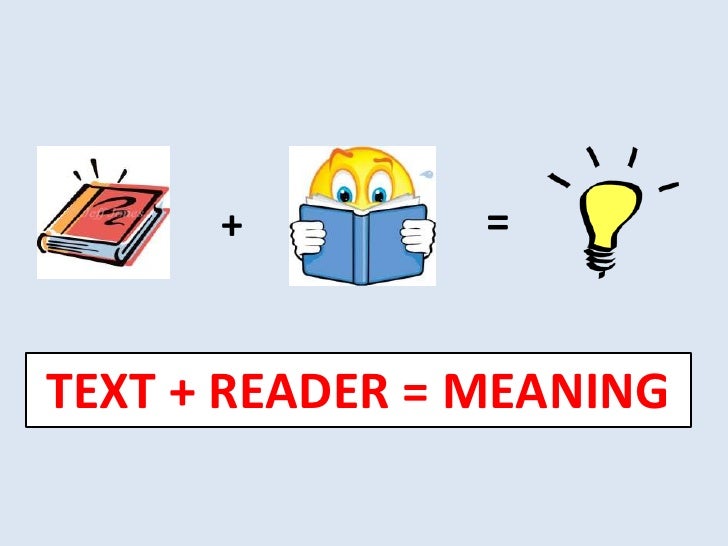
and the type of response. The reception theory emphasises that the meaning of a
text is formed between the audience and the text.
Stuart Hall
brought in the encoding/ decoding model of communication, which expresses how
the sender encodes a message via the text, and how the audience decodes this
information. The audience does not passively accept the information in the
text, but rather, have an interpretation and response to the information,
unlike, in the Hypodermic syringe model where it is believed that the audience
wholly accepts a message with no negotiation. Messages can be decoded by the
audience in three different ways; dominant, negotiated or op-positional.
A dominant
response is that where the receiver accepts and agrees with the message, an oppositional
response is completely rejecting the message and opposing it. However, a negotiated
response is that where the receiver questions the message, but doesn’t reject
the message. It is suggested, that the way information is decoded by a person,
is based on that individual’s cultural background, or individual experiences,
and therefore, those with different cultural experiences may have very
different responses and interpretations.
The text’s
meaning is constructed via these responses and is not within the text itself.
Meaning, the reception is significant in determining what the text is. The mood of the viewer could also effect the interpretation of the film, if they are showing the least interest this could effect the overall information being persevered hindering them from uncovering a deeper and encoded message.

No comments:
Post a Comment